
Rice is one of our staple foods, known for its benefits in replenishing qi, strengthening the spleen, and nourishing the stomach. Rice is sold in supermarkets and stores, commonly in vacuum-packed and loose packaging. Vacuum packaging extends the shelf life of rice and offers a more attractive and appealing appearance, making it a popular gift. So, what types of vacuum packaging machines are available for rice? Let's take a look.
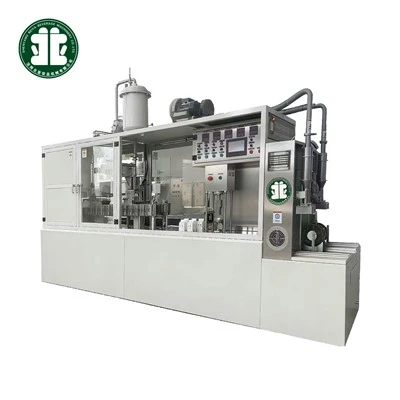
Double-chamber vacuum packaging machine for rice. The double-chamber vacuum packaging machine is a widely used type of vacuum packaging machine. It has two vacuum chambers; while one chamber is being vacuumed, the other can hold the product, saving time waiting for vacuuming and thus increasing productivity. This type of vacuum packaging machine is also commonly used for rice. Some rice producers package their rice into rice brick shapes. Before packaging, the packaging bag is simply placed inside the rice brick mold, the rice is filled into the bag, and then it is placed in the vacuum chamber of a double-chamber vacuum packaging machine for vacuuming. This results in rice packaged in the shape of a rice brick, achieving the desired packaging effect.
Rolling Vacuum Packaging Machine for Rice. A rolling vacuum packaging machine is a continuous output vacuum packaging machine. The key difference between this machine and a double-chamber vacuum packaging machine is that after vacuuming, the top cover of the rolling vacuum packaging machine moves up and down. Common sealing line lengths for rolling vacuum packaging machines are 1000mm, 1100mm, and 1200mm, allowing multiple bags to be placed at once. After vacuum packaging, the product is conveyed to the back of the machine via a conveyor belt, where a receiving basket is placed.
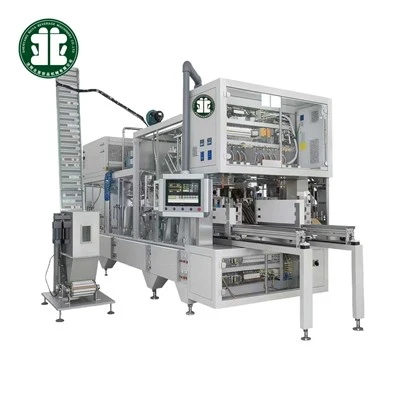
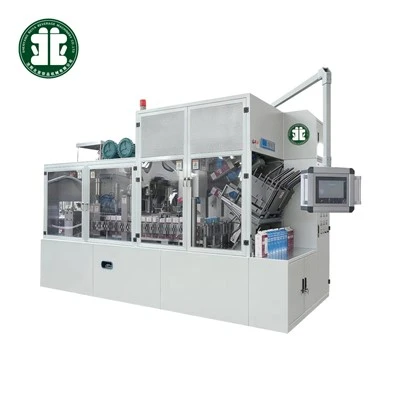
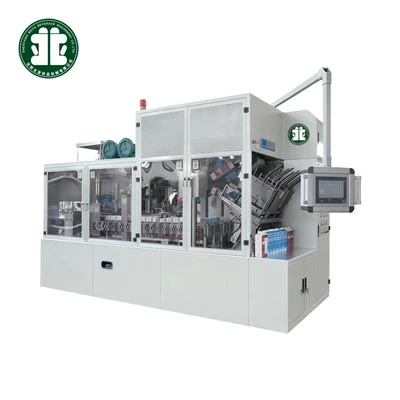
Fully Automatic Pre-Bagging Vacuum Packaging Machine for Rice. This equipment is a fully automated vacuum packaging machine that can automatically feed bags, weigh materials, and vacuum. The entire operation is automatically controlled by the system, and the entire packaging process can be controlled from the control panel. Once the parameters for each operation are set, the machine can automate production according to the pre-set program. This allows one machine to function as a production line, not only increasing productivity but also saving labor costs.