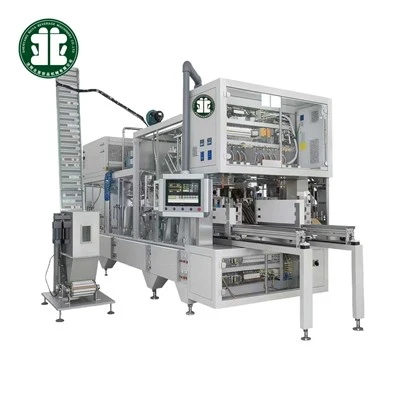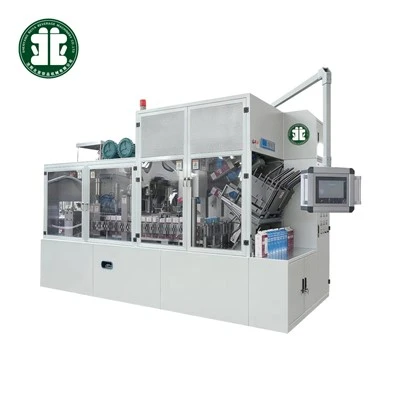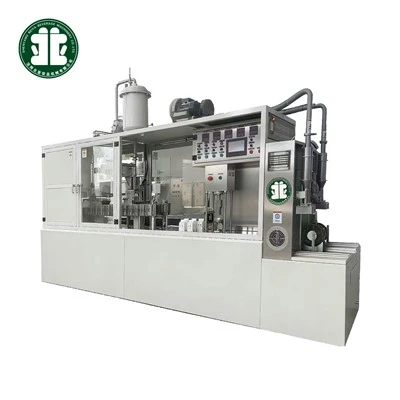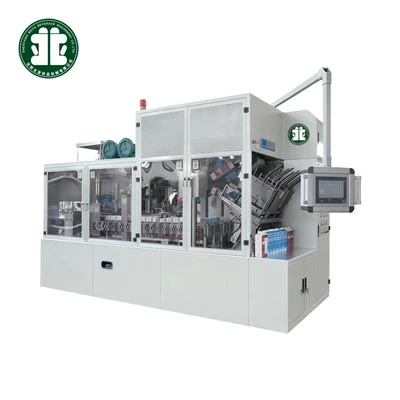

Aseptic carton filling machines act like precise surgeons, performing packaging operations in a completely sterile environment. They ensure food safety through the following steps:
Sterilization: Thoroughly sterilizing packaging materials using special technology.
Aseptic Filling: Injecting the product into sterilized cartons in a closed environment.
Sealing: Instant high-temperature sealing to prevent secondary contamination.
The entire process is typically completed in a Class 10,000 cleanroom, with environmental requirements even stricter than those of an operating room.
This equipment has become standard equipment in many industries:
Dairy Products: Allowing room-temperature milk and yogurt to have a shelf life of 6-12 months.
Beverages: Providing long-term preservation of juices and teas without preservatives.
Liquid Foods: Enables convenient packaging for soups and sauces.
Pharmaceuticals: Some infusion products are also beginning to use this packaging.
Three Key Considerations When Purchasing: When choosing suitable aseptic filling equipment, consider:
Production Needs: Selecting a single machine or a complete production line solution based on capacity.
Packaging Specifications: Different models are compatible with various capacities from 250ml to 1L.
Expansion Capabilities: Reserving interfaces for future upgrades.