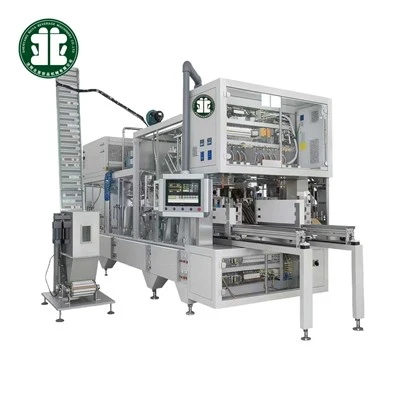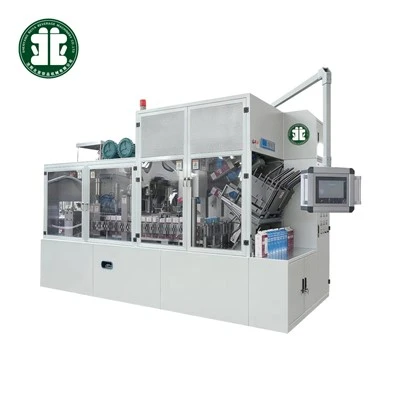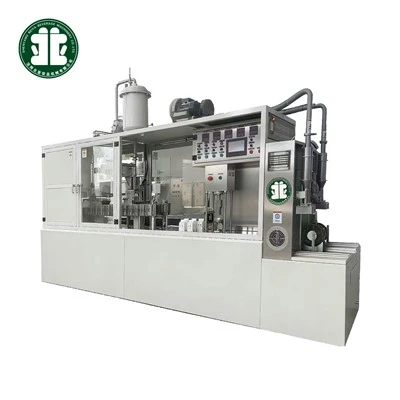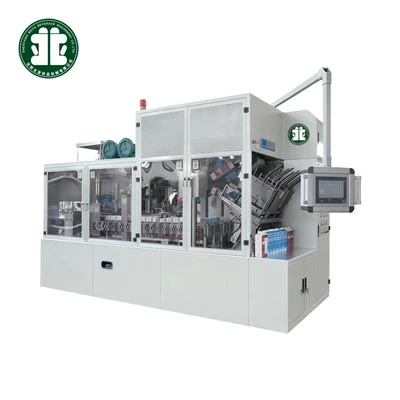

The core design goal of aseptic filling machines is to achieve precise filling and sealing of liquid foods in a completely sterile environment, maximizing product quality and extending shelf life. A fully functional aseptic filling machine should include key technologies such as sterilization of packaging materials, aseptic liquid food delivery, filling and sealing in a sterile atmosphere, and the capability for cleaning in situ (CIP) and sterilization in situ (SIP). Its design must ensure high operational stability to meet the stringent requirements of continuous aseptic production for tens of hours.
Sterilization technologies for packaging materials vary depending on the material type. For paper-plastic composites, Tetra Pak uses immersion in a hot hydrogen peroxide solution for sterilization; Combibloc (PKL) uses atomized hydrogen peroxide spray sterilization. Sterilization of PET bottles and caps primarily uses chemical agents such as hydrogen peroxide and peracetic acid, involving heating, atomization, spraying, reaction, and finally rinsing with sterile water. Multi-layer film composite bags for aseptic filling in bulk bags are typically pre-sterilized using methods such as cobalt-60 irradiation. The creation and maintenance of a sterile environment is central to the design. The equipment provides sterile air through high-efficiency filters (such as HEPA filters), maintaining Class 100 cleanliness in the filling-sealing zone and creating a top-down laminar positive pressure to prevent external contamination. Modern design trends emphasize minimizing the sterile space; for example, SIG Simon Nash has reduced its sterile area to 9 cubic meters to reduce disinfectant usage, save time, and facilitate maintenance. Specific measures include using vapor barriers to protect moving parts, using steam or chemical disinfectants to sterilize the filling chamber, and employing dynamic sealing technology to maintain positive pressure in the sterile zone.
Filling and metering systems commonly use a bottle-handling method with the bottle neck clamped, preventing the filling nozzle from contacting the container to reduce the risk of contamination. The system employs high-precision metering systems, such as electromagnetic flowmeters or gravimetric methods, to achieve accurate quantitative filling and control filling accuracy. The filling process is highly automated, with automatic operation and control achieved by a programmable logic controller (PLC).
Modern aseptic filling equipment design emphasizes high integration, flexibility, and ultra-clean intelligence. Blow-fill-seal (BFS) technology integrates bottle blowing, filling, and capping into a closed, aseptic environment, ensuring sterility throughout the entire process. The equipment emphasizes rapid product changeover capabilities; for example, the Tetra Pak A3/flexible filling machine's QuickChange™ technology allows for quick switching between packaging units sharing the same bottom cross-section. The ultra-clean design employs efficient, continuous dry sterilization techniques to reduce disinfectant usage and energy consumption, extending the aseptic production cycle from 72 hours to 144 hours. It also integrates an intelligent control system to achieve flexible, high-speed, and high-precision filling. Simultaneously, the equipment structure is more compact to adapt to diverse production space requirements.