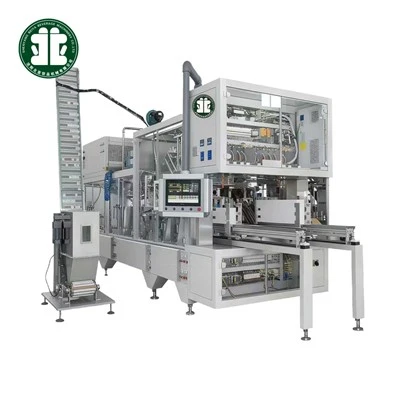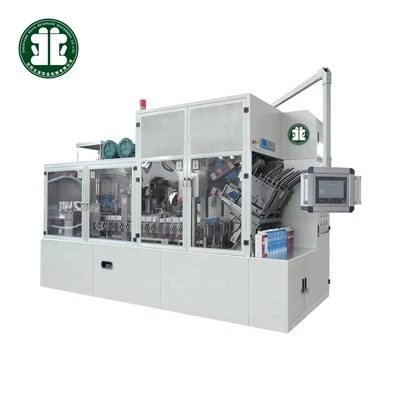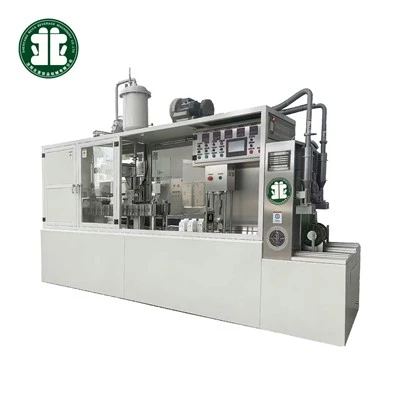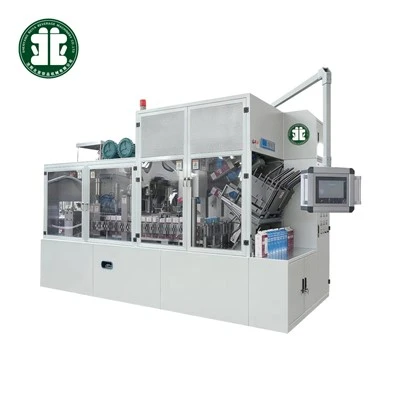

An aseptic packaging machine fills a sterilized product into a sterilized package inside a sterile environment. The result is a shelf-stable product that can travel long distances and sit on a shelf for months - often without refrigeration or heavy preservatives. It is one of the most important technologies in modern food and beverage production.
The Three Pillars of Asepsis
Aseptic filling rests on three ideas: a sterile product, a sterile package, and a sterile filling zone. The product is briefly heat-treated (such as UHT), the carton material is sterilized - commonly with hydrogen peroxide - and filling takes place in a controlled, filtered-air chamber. Break any one of these links and sterility is lost.
Why Cartons Dominate Aseptic Filling
Paperboard cartons are the natural partner for aseptic filling. Multi-layer carton stock combines paper for structure, polyethylene for sealing, and aluminum foil for a light and oxygen barrier. The gable-top format is easy to pour, stack, and print, making it a favorite for milk, juice, and plant-based drinks.
Shelf Life Without Compromise
Because the product and package are sterile, aseptic cartons can be stored at ambient temperature. This cuts cold-chain costs, reduces waste, and opens up export markets that would be impossible with fresh, refrigerated products.
What to Look For
When evaluating an aseptic packaging machine, consider sterility assurance, packaging material compatibility, changeover flexibility, and after-sales support. A well-designed system protects both product safety and long-term operating efficiency.