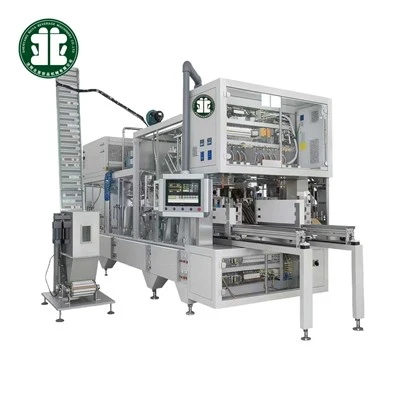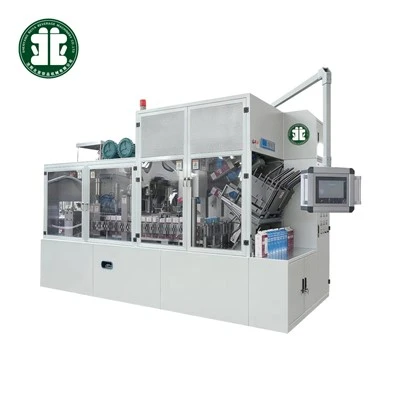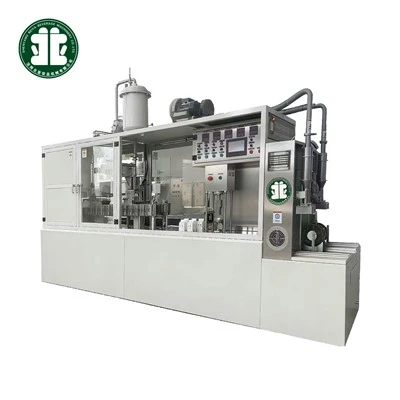

Hot-fill and cold-fill machines are two different types of equipment used for filling liquid products. Their main difference lies in the temperature of the liquid product during filling and the technology used in the filling process.
Hot-fill machines:
Working principle: Hot-fill machines heat the liquid product to a certain temperature during the filling process, typically high-temperature filling. At high temperatures, the liquid product flows more easily and bacteria are killed, thus maintaining the product's hygiene and safety.
Applicable products: Hot filling is suitable for products that require filling at high temperatures, such as jams, fruit vinegars, and fruit juices.
Advantages: Effective sterilization, extending product shelf life; suitable for high-sugar and high-acid products; more stable products after filling.
Cold-fill machines:
Working principle: Cold-fill machines do not heat the liquid product during the filling process; instead, they fill at room temperature. After filling at room temperature, the product usually needs to undergo cooling to ensure product quality and hygiene and safety.
Applicable products: Cold filling is suitable for products that do not require heat treatment, such as drinking water and carbonated beverages.
Advantages: Energy-saving and environmentally friendly, requiring no additional heating equipment; suitable for temperature-sensitive or heat-intolerant products; simple operation and lower cost.
In general, hot filling and cold filling machines differ in product applicability, operating costs, and product quality. Choosing the appropriate filling method should be based on a comprehensive consideration of product characteristics, market demand, and production costs.