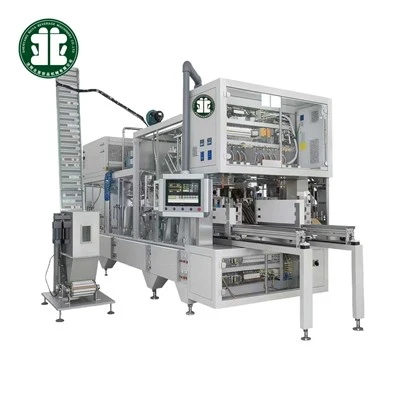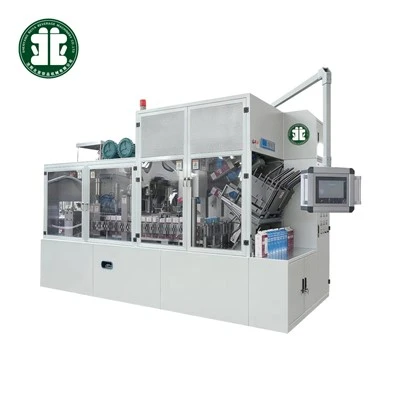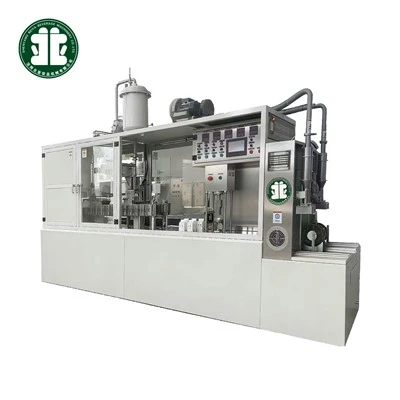

Thick peanut butter is like a stubborn child at room temperature-it refuses to flow obediently into the bottle. Heating it to 50-60℃ reduces viscosity by 30%, significantly improving its flowability. However, excessively high temperatures can cause oil separation, much like melted ice cream that is difficult to restore to its original state. The ideal filling temperature needs to balance three factors:
- Flowability: Optimal filling temperature is ≥55℃
- Shelf life: Temperatures above 65℃ may accelerate oxidation
- Flavor retention: Temperatures below 60℃ lock in the nutty aroma
How to choose among the three filling methods?
- Piston filling: Suitable for peanut butter containing chunks, allowing precise control of the amount in each bottle, with an error margin of ±1 gram.
- Gravity filling: More efficient for smooth sauces, filling 80-120 bottles per minute.
- Vacuum filling: Solves the problem of sauce residue on the bottle opening, especially suitable for wide-mouth jars, reducing residual sauce by 40%.
Cleanliness is more important than filling. Peanut butter residue is a five-star hotel for bacteria. We recommend using the 'sandwich cleaning method': first, flush the pipes with 60℃ hot water, then circulate a food-grade alkaline cleaner for 15 minutes, and finally rinse with purified water. Perform a deep disassembly and cleaning of the screw pump once a week to prevent sauces from carbonizing in hard-to-reach areas-that would be as stubborn as burnt rice.