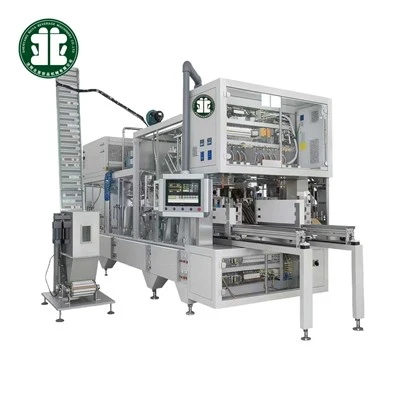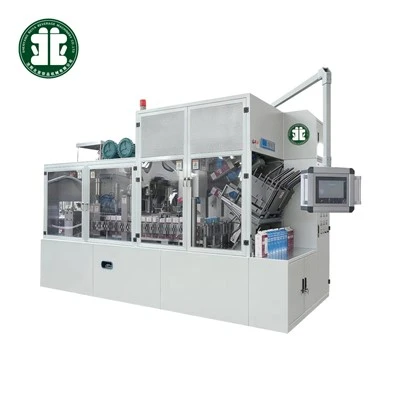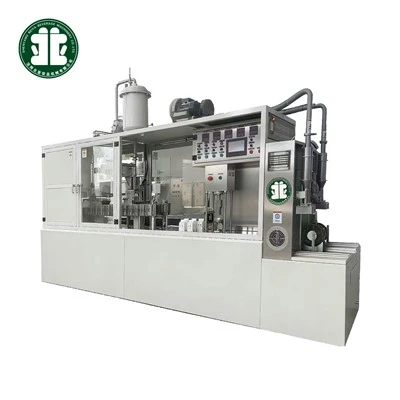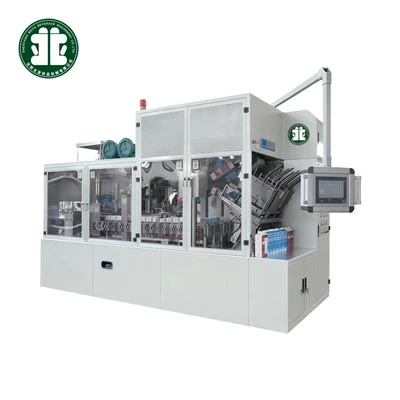

The hygiene standards for pet food filling machines are extremely important, as they directly affect the quality of pet food and the health of pets.
Firstly, regarding the materials used in the equipment, the contact parts of the filling machine should be made of stainless steel that meets food hygiene standards. This material is corrosion-resistant, easy to clean, and effectively prevents metal ions from contaminating the pet food. Its surface should be smooth and flat, free of cracks, pinholes, and other defects to prevent food residue residue and bacterial growth.
Secondly, in terms of design and structure, the filling machine should have excellent sealing performance to prevent external dust and impurities from entering the canning process, while also preventing food leakage. All components should be tightly connected, easy to disassemble and clean, and facilitate thorough hygienic disinfection.
Furthermore, the hygiene requirements during operation are also very high. The filling machine should operate in a clean, dry environment. Operators must wear clean work clothes, masks, and gloves, and strictly adhere to hygienic operating procedures. Before canning, the filling equipment must be thoroughly cleaned and disinfected, including the cans, conveyor belts, filling heads, valves, etc., using cleaning and disinfecting agents that meet hygiene standards, and treated according to the prescribed time and methods. In addition, there should be corresponding testing standards for the cleaning and disinfection effectiveness of pet food canning machines. For example, testing indicators such as the number of residual bacteria and cleaning agent residue can ensure that the equipment meets hygiene requirements. Regular maintenance and upkeep of the filling machine, and timely replacement of worn parts, are also important measures to ensure hygiene standards.