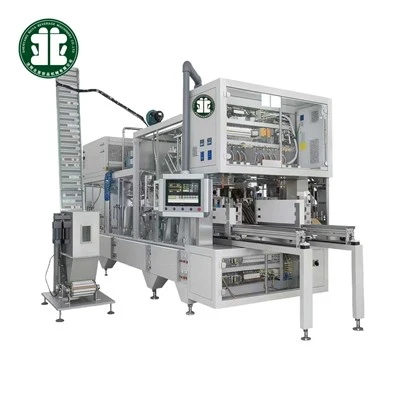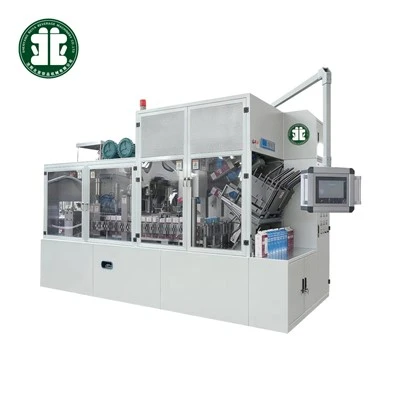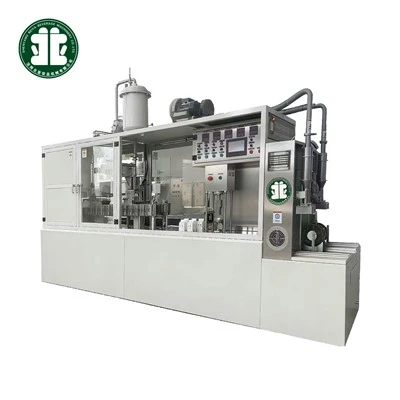

The rise of tea and fruit juice beverages necessitates the use of hot-fill processes, leading to the development of crystalline PET bottles (hot-fill bottles) capable of withstanding higher filling temperatures. Starting in 2000, the rice wine industry pioneered the research and application of hot-fill technology. 2002 and 2003 were the golden age of hot-fill bottles. Filling machinery continued to evolve, resulting in multi-functional equipment capable of hot-filling various beverages such as tea, coffee, soy milk, and fruit juice, and compatible with both glass and PET bottles. Simultaneously, domestically developed hot-fill equipment was also successfully developed. ESL filling technology was gradually applied in the hot-fill production of PET bottle beverages, thus continuously expanding and extending the application scope of PET bottle hot-fill technology.
However, hot-fill technology has drawbacks such as a significant impact on beverage quality and high energy consumption. With the maturity of aseptic cold-fill technology, some market share has been diverted, leading to the emergence of the concept of a "post-hot-fill era" in the industry. Despite the increasing number of aseptic bottling lines developed in the beverage industry, hot filling technology still holds an important position in the beverage sector.