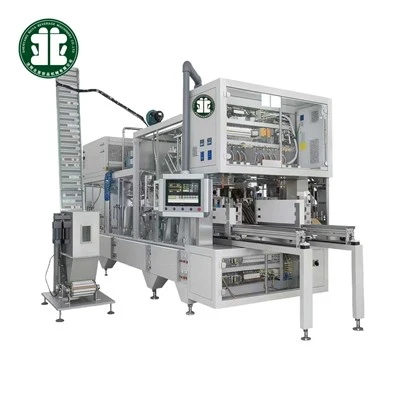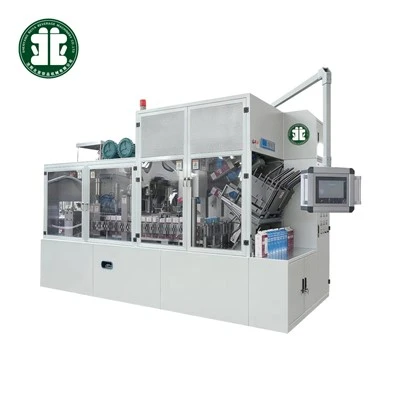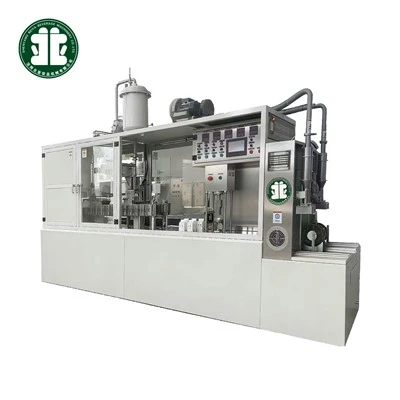

Hot filling technology refers to filling liquid foods while they are still hot after sterilization, utilizing the product's heat to sterilize the inner surface of the container. This technology is mainly divided into two types: high-temperature hot filling (e.g., 85℃~95℃) and medium-temperature filling followed by pasteurization (65℃~75℃). It commonly uses a micro-negative pressure gravity filling principle and incorporates a material reflux system to reduce oxidation. Filling temperatures are typically between 85℃ and 95℃ (e.g., 88℃), used for juices, teas, and functional beverages, requiring PET bottles to have good heat resistance.
PET bottle hot filling production lines typically employ fully enclosed combined filling units (e.g., a three-in-one machine for rinsing, filling, and capping), entirely controlled by a PLC, featuring a human-machine interface and variable frequency speed control. The production line is equipped with a filling temperature control system and a CIP (clean-in-place) automatic cleaning system, eliminating sanitary dead zones in the filling valves and material channels.
Most parts of the equipment that come into contact with materials are made of materials such as 304 stainless steel, meeting hygiene requirements. Filling valves can be either flow meter valves or electronic weighing valves, depending on requirements. The production line can handle bottle sizes from 200ml to 2000ml, with a capacity of 10,000-54,000 bottles/hour for 500ml bottles.
In recent years, ESL (Extended Shelf Life) filling technology has been introduced into PET bottle hot-fill production, which can reduce the filling temperature of some products (such as juice beverages) from 83℃~95℃ to 65℃~70℃ and improve product hygiene standards. The application of this technology requires a focus on packaging material sterilization (such as using hypochlorous acid, chlorine dioxide, etc.), filling space purification (achieving Class 100 cleanroom standards), and strict cleaning and disinfection procedures for equipment (including CIP/SIP/COP/SOP).