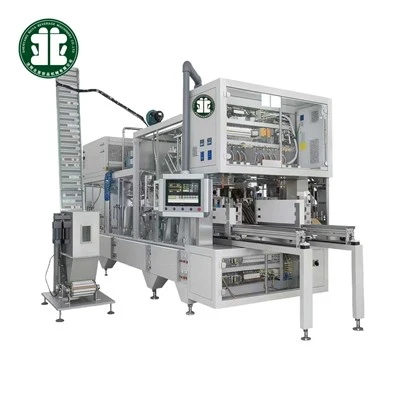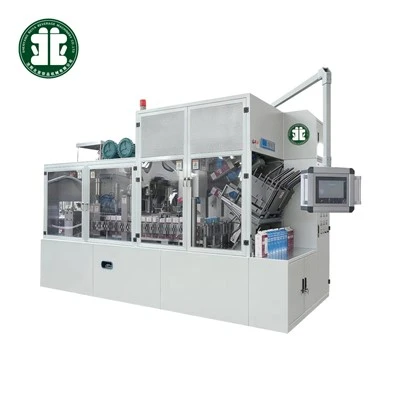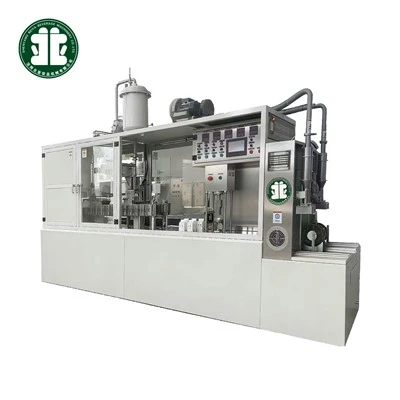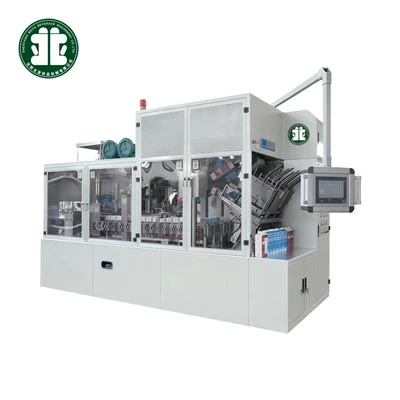

Aseptic filling machines are mainly divided into two types: ambient temperature aseptic filling machines and hot filling machines. Ambient temperature aseptic filling machines are designed for filling liquid products such as beverages and juices, while hot filling machines are suitable for filling high-viscosity, semi-fluid products. Regardless of the type, the basic principle is the same.
The Principle of Aseptic Filling Machines
The principle of aseptic filling machines is to kill bacteria, viruses, and other microorganisms through high-temperature and high-pressure sterilization to ensure product hygiene and safety. The specific process is as follows:
Preparation Stage: First, the production line equipment is thoroughly disinfected, and the products to be filled and packaging containers are prepared.
High-Temperature and High-Pressure Sterilization Stage: The product is placed in a high-temperature and high-pressure environment for sterilization. Hot filling machines use steam to sterilize the product in this stage, while ambient temperature aseptic filling machines use ultraviolet light or filters.
Packaging Stage: In an aseptic environment, the filling containers are connected to the filling machine and filling begins.
Packaging and Sealing Stage: The filled product is sealed to prevent leakage.
This process ensures the hygiene and safety of products during production. In addition, common disinfection methods before filling include ultraviolet radiation disinfection and high-frequency electromagnetic wave disinfection.
Applications of Aseptic Filling Machines Aseptic filling machines are widely used in high-requirement food processing industries such as juice, beverages, condiments, salad dressings, and ketchup. With the continuous development and improvement of aseptic filling machines, their application areas are constantly expanding, including the cosmetics and pharmaceutical industries.