
Oil filling machine prices can vary widely, and the number on a quote rarely tells the whole story. Understanding what drives the cost helps buyers compare options fairly and avoid paying for features they do not need - or under-buying a machine that cannot handle their product.
Filling Technology and Accuracy
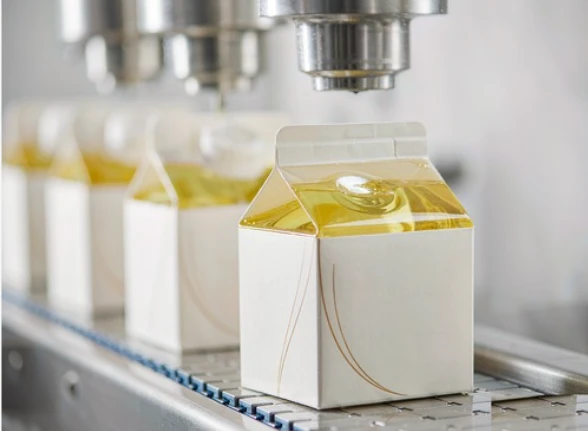
The largest cost factor is the filling system itself. Edible oils, seasoning oils and cosmetic oils are low-to-medium viscosity liquids that demand precise, drip-free dosing. Piston or servo-driven filler heads with anti-drip nozzles cost more than simple gravity fillers, but they deliver the accuracy and clean presentation that export buyers expect.
Capacity and Production Speed
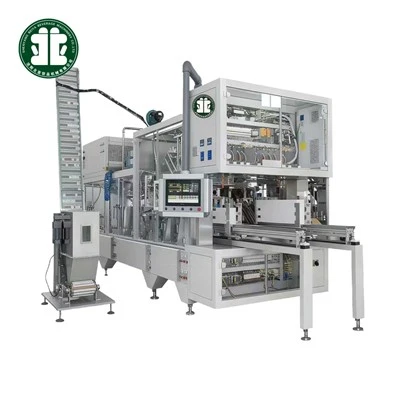
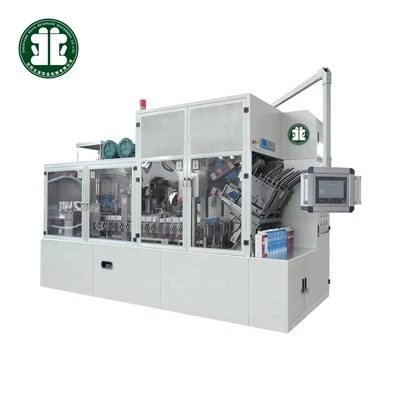
Machine price scales with output. A compact semi-automatic unit suits a small workshop, while a fully automatic multi-head line is built for continuous high-volume production. Buyers should match capacity to real demand - over-specifying is a common source of wasted budget.
Product Range and Changeover
If one machine must handle several oil types or container sizes, flexibility matters. Quick-change nozzles, adjustable dosing and recipe memory add to the price but reduce downtime and protect your investment as the product line grows.
Build Quality and Hygiene
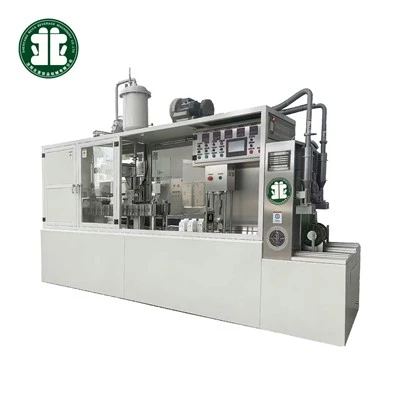
Food-grade stainless steel, sanitary fittings and easy-clean surfaces are non-negotiable for edible oil. Higher-grade construction raises the upfront price but ensures compliance, durability and a longer service life - a key reason to look beyond the cheapest quote.
Total Cost of Ownership
When comparing an oil filling machine price, factor in installation, training, spare parts and after-sales support. A well-built machine with reliable service often costs less over five years than a cheaper unit with frequent breakdowns. Request a detailed quote tailored to your product, capacity and packaging, and compare on value - not just price.