
Three Forces Driving the Shift
1. Regulation. Single-use plastic bans and plastic taxes are expanding across the EU, Canada, India, and dozens of other markets. Cartons, with a paper-based body (typically 70-80% paperboard), help brands comply and market their compliance.
2. Consumer perception. Survey after survey shows consumers rank cartons among the most environmentally friendly packaging formats. A carton's rectangular shape also ships more efficiently - more units per pallet, lower transport emissions.
3. Brand differentiation. The gable top format offers a large printable surface area (six faces vs. a cylindrical bottle's curved wrap), giving brands room for full-color storytelling and mandatory recycling labels.
What This Means for Producers
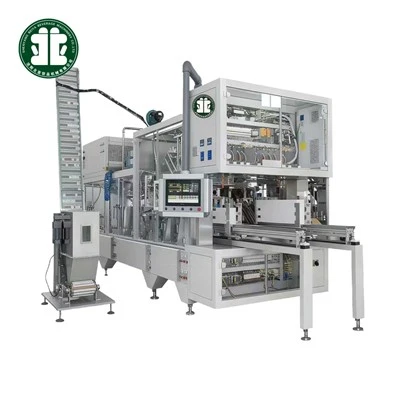
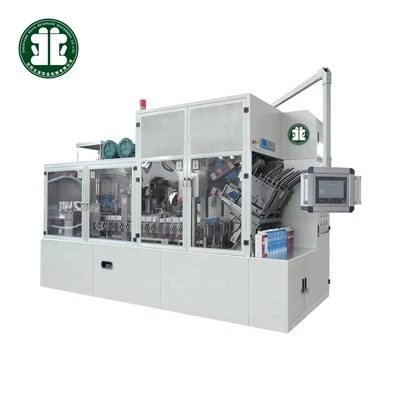
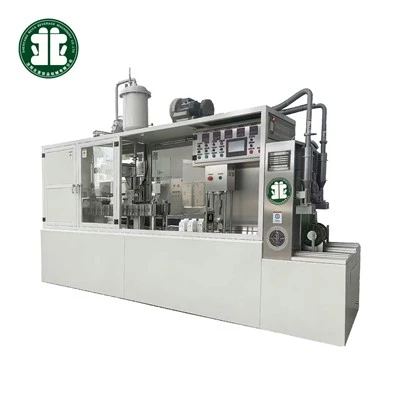
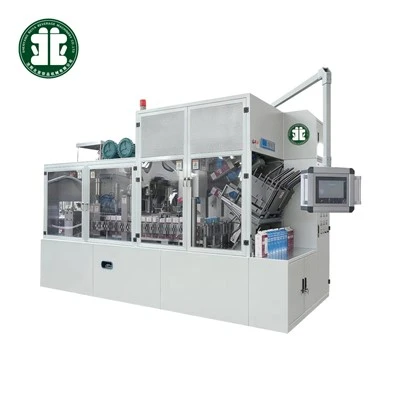
For bottlers currently filling PET bottles, adding a gable top carton line is no longer just a "green" gesture - it is becoming a market-access requirement in some regions. The practical questions we receive most often:
Can one machine handle both water and juice? Yes - with the correct filling valve configuration and sterilization method, one line can cover multiple low-viscosity products.
What is the investment gap vs. a PET line? A carton filling line typically requires lower total investment than a full PET bottling line (no bottle blowing section, no cap feeding), and cartons ship flat, cutting packaging material logistics costs.
How long is changeover from 250 ml to 1,000 ml? On modern machines, size changeover takes roughly 30-60 minutes with quick-change parts.
Our Perspective
We have specialized in gable top carton filling machines for more than 20 years - long before the current paper packaging boom. What we see now is the fastest demand growth in two segments: cartoned drinking water in hospitality and airline catering, and plant-based beverages (oat, almond, soy) across Europe and North America.
For producers evaluating the switch, our advice is simple: start with a semi-automatic machine to test the market with a small SKU, then scale to a fully automatic aseptic line as volume grows.